
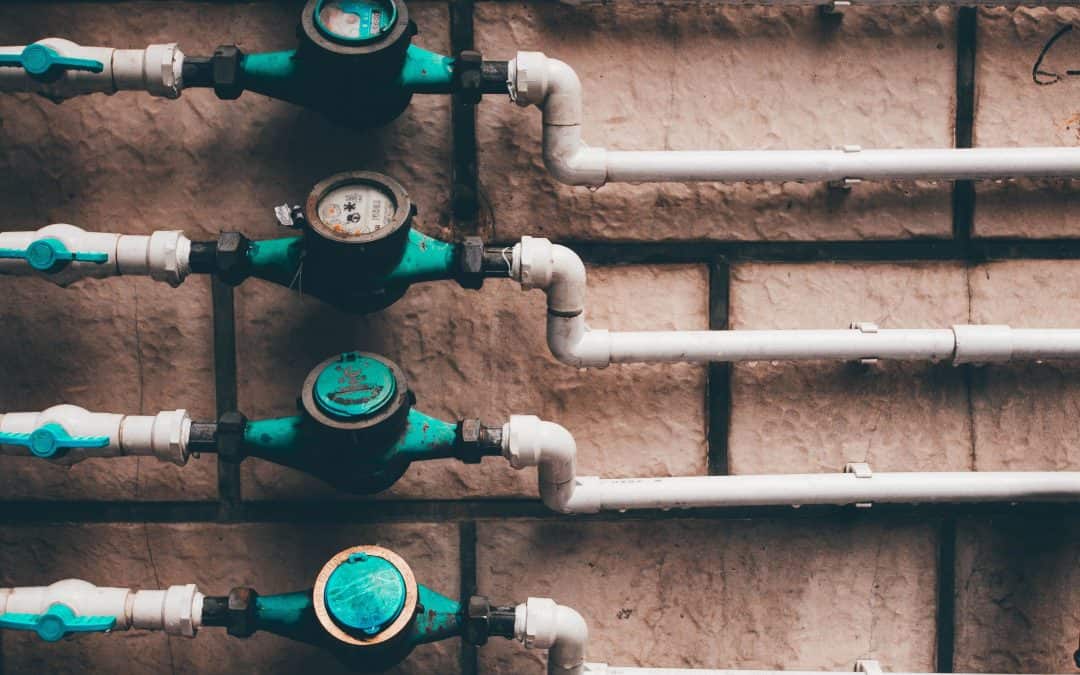
Prevent Costly Water Damage
A few $30–$60 sensors can save you thousands in repairs. With a professional water leak detector install, you’ll get instant alerts when a drip becomes a disaster—plus options to trigger a smart shutoff valve that automatically closes the main line. Whether the culprit is a tiny supply-line pinhole or an overflowing pan, early detection around the laundry room and water heater turns “uh-oh” into “handled.”
Why Leak Sensors Matter
Water damage is sneaky. Slow leaks soak cabinets, swell baseboards, and invite mold long before you notice a puddle. Smart sensors catch the first drop and send a phone notification (and optional siren). Paired with an auto shutoff, they stop the flow even when you’re not home—no scrambling for the main valve.
Top Locations for Sensors
Prioritize high-risk, high-impact spots. Aim for at least one sensor per appliance or fixture, with extras where water can travel:
- Water heater pan and nearby floor
- Laundry room: under/behind washer; inside or beside the drain pan
- Kitchen: under sink, behind dishwasher, and behind refrigerator/ice maker
- Bathrooms: under each sink, beside/behind toilets, behind bidet seats
- HVAC: in the condensate pan and near condensate pumps/lines
- Utility areas: near whole-home humidifier, softener, or filtration systems
- Basement/crawl space: low points where water tends to pool
- Main line entry: near the smart shutoff valve for redundancy
Smart Shutoff = Peace of Mind
Add a motorized shutoff valve at the main. When any sensor trips—or when freezing temps threaten—the valve closes automatically. You can still override it in the app. Set rules (e.g., “close if continuous flow > 10 minutes”) for extra protection during vacations.
Install Basics (Done Right)
- Sensor selection: Choose Wi-Fi or hub-based sensors with long battery life, audible alarms, and optional probe leads for tight spaces.
- Placement: Put sensors where water first appears: the low corner of a pan, floor behind appliances, or at the cabinet front edge under sinks. Add drip trays to channel water toward the sensor.
- Connectivity: Confirm a solid Wi-Fi signal (or mesh node) in utility spaces. Label each sensor in the app (“Laundry Pan,” “Water Heater Left”) for clear alerts.
- Testing: Wet the probe to verify alerts and shutoff actions; set notification preferences for text, push, and email.
Quick Owner Tips
- Replace washer supply lines with braided stainless and date the tag.
- Keep the water heater pan drain clear; consider a pan if you don’t have one.
- Review sensor battery status quarterly and test during filter changes.
- Mount the smart shutoff where it’s accessible and protected from splashes.
Thank you for taking the time with me to learn more about what Mr. Done Right, the handyman / contractor does for you.
Sincerely,
Nathaniel Peterson
(AKA) Mr. Done Right
For more information on handyman or contractor work in the greater Austin area (or beyond), please contact your premiere handyman, Nathaniel Peterson, AKA Mr. Done Right Handyman Contractor of Austin, because Mr. Done Right ensures any repairs and/or remodels get Done Right the first time! Call us now for a free estimate! 512-659-8931
Online Marketing Powered by www.OnlineMarketingExperts.agency
* Click here to protect your privacy and safety on the Internet.
Recent Comments