
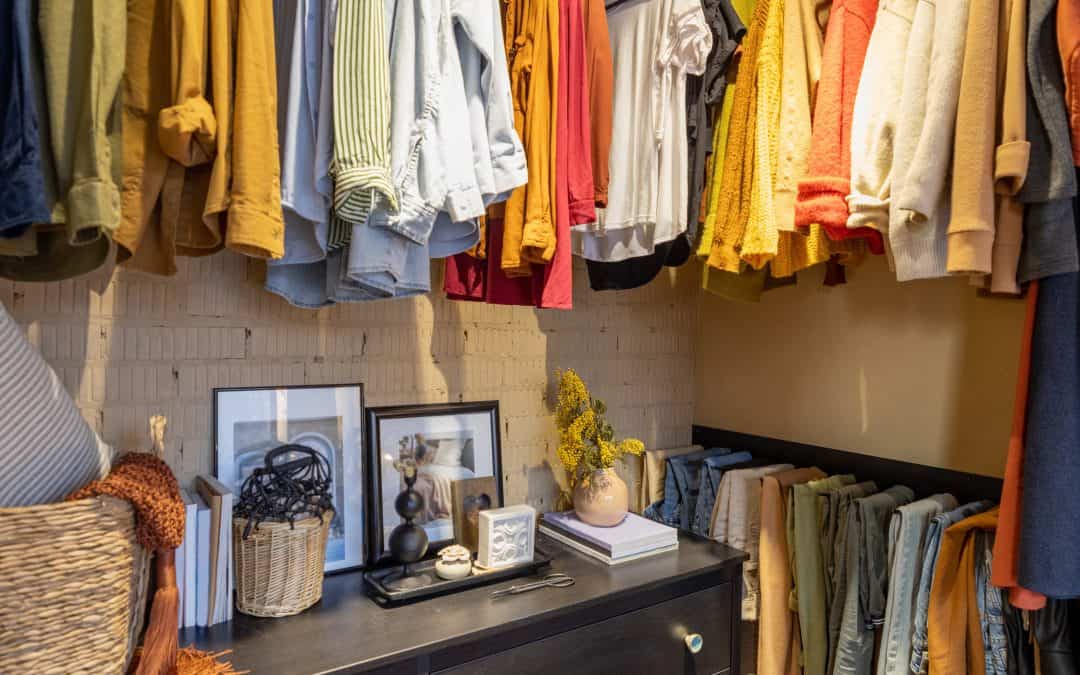
Adding Storage to Customize Your Closet
Want more space without moving walls? A well-planned closet system install Austin, Texas can double usable storage in a weekend. By right-sizing shelving, hanging rods, and smooth-glide drawers, you’ll turn a chaotic closet into an organized, grab-and-go zone that fits your routine (and actually stays tidy).
Why Custom Systems Beat Standalone Racks
Off-the-shelf racks sag, waste vertical space, and rarely match your wardrobe. Custom systems use adjustable uprights and modular components—double-hang for shirts, long-hang for dresses, shelves for denim and bags, and drawers for socks, tees, and accessories. The result is a layout tailored to what you own, not the other way around. Add-ons like shoe towers, pull-out hampers, tie/belt racks, and valet rods keep surfaces clear and mornings faster.
Smart Layout Basics
Start by grouping clothing by hang length. Most closets benefit from a double-hang section (two rods at ~40″ and ~80″ off the floor) plus a long-hang bay at ~66–72″ for dresses and coats. Place drawers between 24–42″ high for easy reach and add shelving above each rod to capture the “dead zone” under the ceiling. Leave a 2–3″ buffer between side walls and the first vertical to prevent door and trim rub. If you share a closet, mirror the layout left/right so both sides get equal prime space.
Measuring Tips (Get This Right the First Time)
- Map the shell: Measure width, height, and depth at top, middle, and floor—use the smallest width and largest height. Note out-of-square walls, baseboards, outlets, and access panels.
- Door swing & clearance: Record hinge side and swing arc. For sliders, measure the clear opening of each panel; for hinged doors, ensure drawers can open fully without hitting.
- Ceiling height & obstructions: Low lights, attic hatches, or soffits change tower heights. Keep 12–15″ between the top shelf and ceiling for bulky items.
- Rod spacing: Plan ~40″ vertical between double-hang rods; allow 24″ horizontal per foot of shirts and 30–36″ per foot of coats (they’re thicker).
- Depth decisions: Standard hanging needs 24″ total depth (panel + hanger). For reach-in closets only 22″ deep, choose slim hangers and verify doors close cleanly.
- Count your inventory: How many pairs of shoes? Folded sweaters? Long dresses? Design to the numbers so every item has a home.
Materials & Finishes That Last
Melamine and laminate systems resist warping and wipe clean easily; real-wood veneers add warmth in primary suites. Prioritize soft-close drawers, full-extension slides, and 1″ thick shelves for strength. Use wall-mounted rails on drywall or studs; for heavy installs or wide spans, add support legs or cleats.
Quick Style & Lighting Wins
Neutral finishes make small closets feel bigger; matte black or satin nickel hardware ties into bath and bedroom fixtures. Add LED puck or strip lighting under top shelving to brighten contents and banish dark corners.
Thank you for taking the time with me to learn more about what Mr. Done Right, the handyman / contractor does for you.
Sincerely,
Nathaniel Peterson
(AKA) Mr. Done Right
For more information on handyman or contractor work in the greater Austin area (or beyond), please contact your premiere handyman, Nathaniel Peterson, AKA Mr. Done Right Handyman Contractor of Austin, because Mr. Done Right ensures any repairs and/or remodels get Done Right the first time! Call us now for a free estimate! 512-659-8931
Online Marketing Powered by www.OnlineMarketingExperts.agency
* Click here to protect your privacy and safety on the Internet.
Recent Comments